Craiglockhart and Colinton Dells can be accessed across the road from the Water of Leith Visitor Centre, and affords a lovely walk to the village of Colinton a couple of miles away.
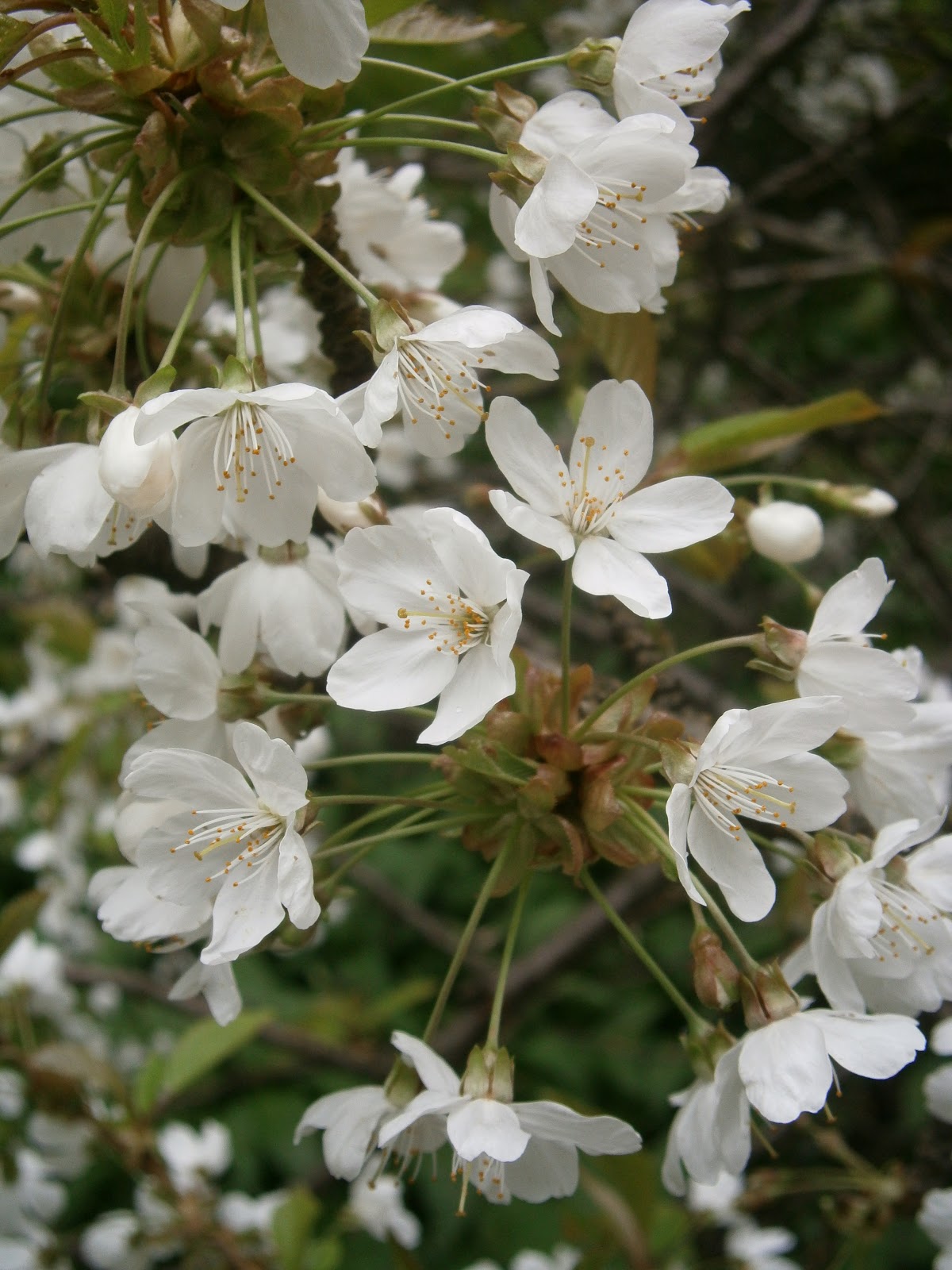
 This deep-sided gorge extends from the delightful Colinton Parish Church towards Slateford. Carved out by the river, this impressive gorge has been continuoously wooded since the last ice age, a haven for wildlife and home to many species of trees. Mature and ancient mixed woodland include ash, lime, sycamore and beech, and are peppered with the occasional dramatic appearance of a gnarled oak or glimpse of yew and hornbeam. The wooded riverbanks are carpeted with wild flowers throughout the spring. Blossom hangs from branches, whilst bluebells, anemones and buttercups push their way up through the forest floor. The heady aroma of wild garlic fills the air, the delicate white heads of this fragrant plant waving gently in the breeze.
 Designated as an Urban Wildlife Site, the wooded river banks and dense layers of shrub are bursting with woodland birds and animals. Over eighty species of birds can be found, including the heron, kingfisher, dippers ...... and of course the obligatory duck. Wrens and song thrushes flourish in the woodland tree creepers. And keep your eye out for otters, voles, stoats and weasels. If you are really lucky you may even spot the odd roe deer. The river itself plays host to a number of brown trout along with around a dozen other species. Even the occasional pike pops up every now and then.
 But this section of the Walkway is also steeped in history, the past very much in evidence as you progress towards Colinton. Once very much Edinburgh's industrial heartland, the valley boasted over seventy mills harnessing the power of the water and producing paper, fabric, flour and linoleum. The mouth of the river supported a vibrant shipbuilding industry and busy dockland area, so important to the city at that time. The heart of the Dell sees you enter the land of Redhall House and Estate. The property of one Sir John Inglis in 1765, he hired a renowned landscape architect, Robert Bowie, to enhance this already beautiful area. He created a landscape of ornamental trees, riverside paths, a walled garden, a fine hexagonal doocot (dovecote) and two grottos. The entrance to the estate is marked by a fine stone bridge - Bogs Mill Bridge - along with an avenue of lime trees. Redhall Walled Garden lies on the north side of the river, on the site of Jinkabout Mill.
 One of the most visually impressive features of this part of the Water of Leith Walkway is Redhall Weir, which I believe feeds the still running lade (mill stream) to Redhall Mill and its cluster of cottages. Dating back to 1718, this collection of mills produced paper, ground barley, and latterly wood flour used in the making of linoleum, eventually falling silent in the 1980's. It is said that the paper for the Bank of Scotland's first bank notes was made at Kate's Mill!
 Arriving at Colinton, you have passed through so much. From the world of nature to Edinburgh's industrial past, it is all there in just a few miles. Remnants of yesterday mingle with wildlife, stretching along the riverbank, clinging to the sides of the gorge. Narrow, steep and stepped paths, bridges, level walkways, all lead you through the world that is Craiglockhart and Colinton Dell. Dog walkers, cyclists, joggers, and those just enjoying a stroll through the Edinburgh countryside, they are all there, so join them and see for yourself just how beautiful this "silver thread in a ribbon of green" really is.